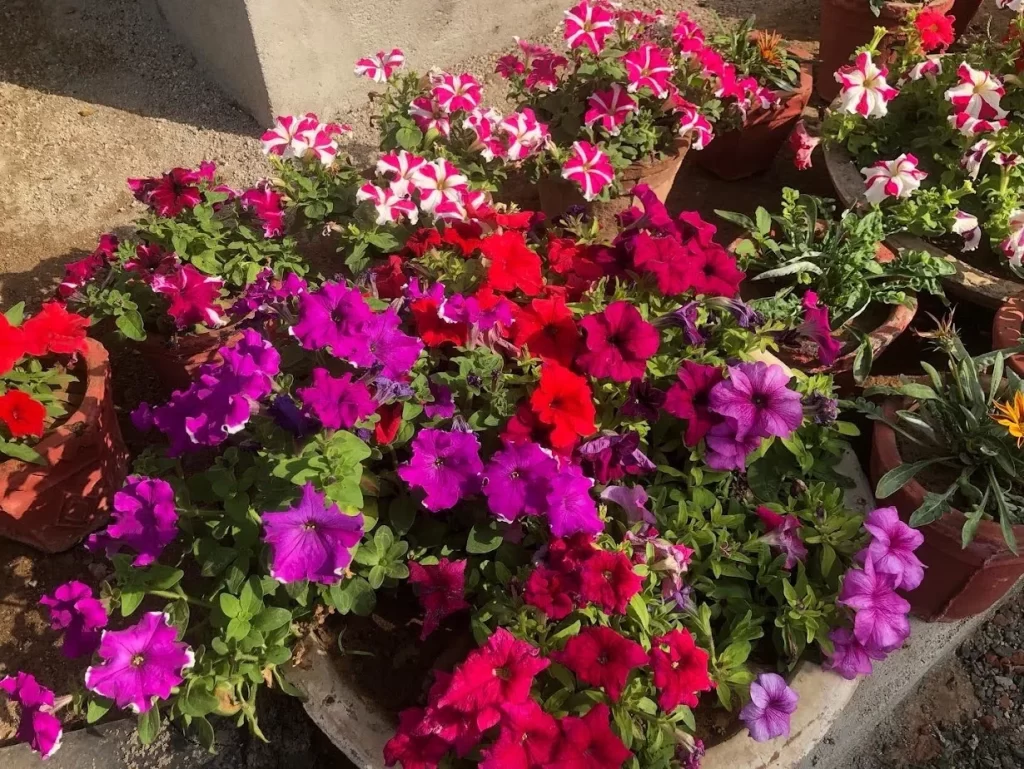
Garden Landscaping
Application Of Vermicomposting In Garden Landscaping

1. Soil Amendment
Vermicompost acts as an excellent soil conditioner. When mixed into garden soil, it improves soil structure, aeration, and water retention. This results in healthier plants with stronger root systems and enhanced resistance to environmental stressors.
2. Planting Beds
Incorporating vermicompost into planting beds provides a nutrient-rich environment for plants. The high levels of essential nutrients like nitrogen, phosphorus, and potassium in vermicompost support vigorous plant growth and blooming. It also promotes microbial activity, which benefits overall soil health.
3. Lawn Care
Vermicompost can be spread over lawns as a top dressing. This practice not only supplies essential nutrients to the grass but also helps in improving soil structure and moisture retention. Regular application can result in a lush, green lawn that is more resilient to drought and disease.
4. Mulching
Using vermicompost as a mulch around garden plants helps to conserve soil moisture, suppress weeds, and add nutrients to the soil. It gradually breaks down, providing a steady supply of nutrients to the plants and enhancing soil fertility.
5. Container Gardening
For plants grown in containers, vermicompost can be mixed with potting soil to create a nutrient-dense growing medium. This ensures that container plants receive a consistent supply of nutrients, promoting healthy growth and abundant flowering.
6. Compost Tea
Brewing compost tea from vermicompost creates a nutrient-rich liquid fertilizer that can be sprayed on plants or used as a soil drench. Compost tea enhances plant growth, boosts immune responses, and helps in the suppression of plant diseases.
7. Tree and Shrub Care
When planting trees and shrubs, adding vermicompost to the planting hole provides essential nutrients and beneficial microbes that help young plants establish quickly. It also aids in improving soil structure and fertility around the root zone.
1. Soil Enrichment
Vermicompost is rich in essential nutrients like nitrogen, phosphorus, and potassium, which are crucial for plant growth. Incorporating vermicompost into greenhouse soil improves its fertility, structure, and water-holding capacity. This results in healthier plants with stronger root systems and better resistance to pests and diseases.
2. Seed Starting Mix
Adding vermicompost to seed starting mixes provides young plants with a nutrient-rich environment right from the start. The high microbial activity in vermicompost promotes seed germination and robust seedling development, giving plants a strong foundation.
3. Potting Mixes
Greenhouse plants grown in pots and containers can greatly benefit from vermicompost. Mixing vermicompost with standard potting soil enhances the nutrient content, improves aeration, and helps retain moisture. This leads to vigorous plant growth and increased yields.
4. Top Dressing
Vermicompost can be used as a top dressing for greenhouse plants. Applying a layer of vermicompost on the soil surface around plants periodically provides a slow release of nutrients, promoting continuous healthy growth and reducing the need for synthetic fertilizers.
5. Transplanting
When transplanting seedlings, adding vermicompost to the planting hole can reduce transplant shock and promote rapid establishment. The beneficial microorganisms in vermicompost help plants adapt more quickly to their new environment.
6. Compost Tea
Vermicompost can be used to brew compost tea, a nutrient-rich liquid fertilizer. Spraying compost tea on greenhouse plants or using it as a soil drench provides an instant nutrient boost and enhances microbial activity in the soil, fostering a healthy growing environment.
7. Disease Suppression
The beneficial microbes present in vermicompost help suppress soil-borne diseases by outcompeting harmful pathogens. This biological control mechanism is particularly valuable in the controlled environment of a greenhouse, where disease outbreaks can spread rapidly.
Benefits of Using Vermicompost in Garden Landscaping
Enhanced Soil Structure : Improves soil texture and aeration, making it easier for roots to grow and access nutrients and water.
Water Conservation : Increases the soil’s ability to retain moisture, reducing the need for frequent watering.
Disease Suppression : The beneficial microorganisms in vermicompost help to suppress soil-borne diseases and pests.
Sustainable Landscaping : Reduces the need for chemical fertilizers and supports eco-friendly gardening practices.
Environmental Benefits : Vermicompost is an organic and sustainable soil amendment, reducing the environmental impact of landscaping activities.
By integrating vermicompost into garden landscaping practices, gardeners can achieve more vibrant and sustainable landscapes. Rediant Varmi Craft’s premium vermicompost ensures that your garden thrives with lush, healthy plants and improved soil health.